3rd Party Verified
5-Star Reviewed
873+ Researchers
COA Verified

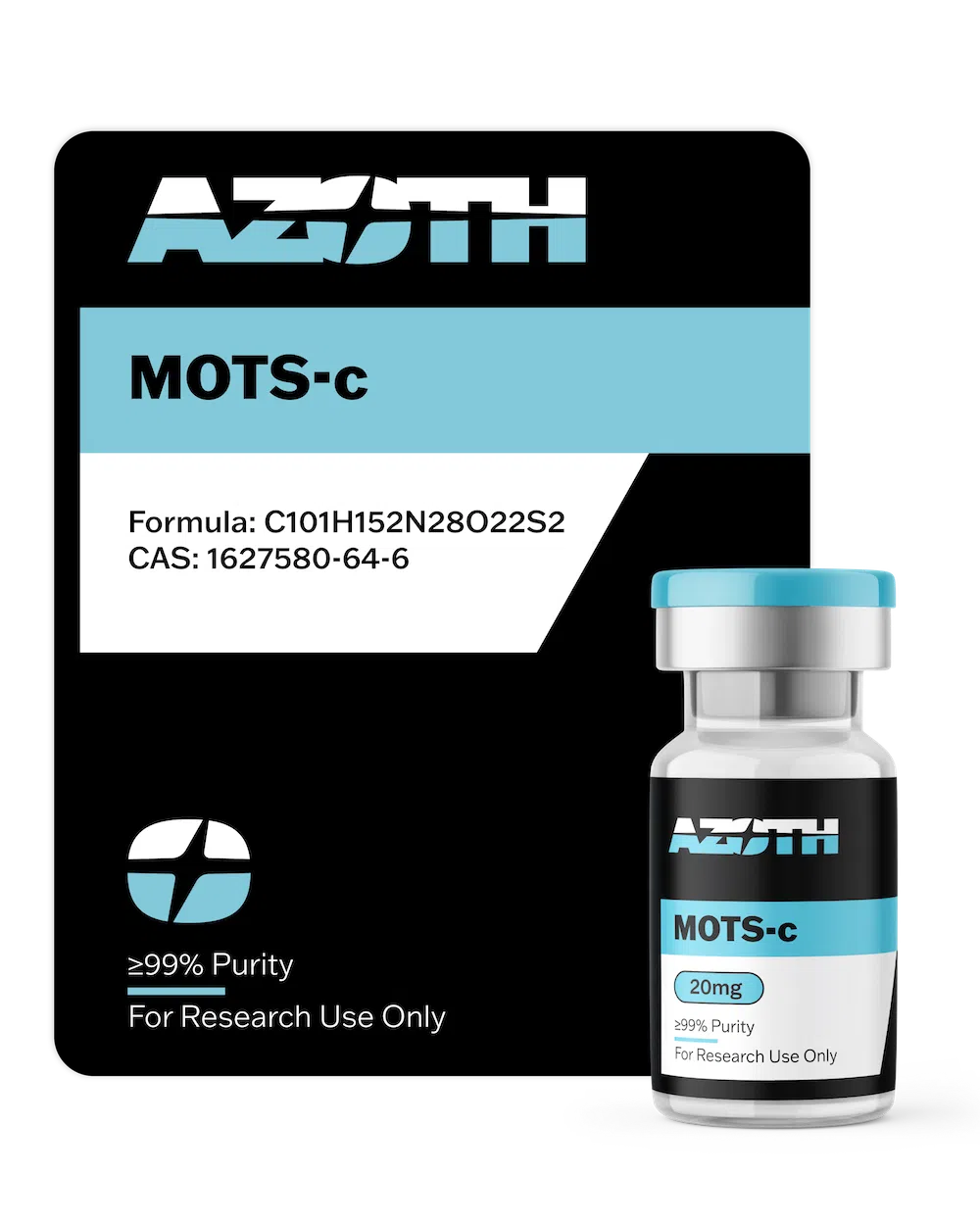
MOTS-c

MOTS-c (Mitochondrial Open Reading Frame of the 12S rRNA-c) is a mitochondrial-derived peptide (MDP) composed of 16 amino acids, encoded within the 12S rRNA region of the mitochondrial genome.

Select Presentation (if applicable) & Quantity

MOTS-c

HPLC Certified

CAS #:

1627580-64-6

Formula:

C70H115N21O23S2

M.W.:

1675.9

PURITY

≥99%

RUO

(Research use only)

SKU: AZ-MOTSC-20 / AZ-MOTSC-40

Specs: Amount: 20mg / 40mg | Format: Lyophilized Powder | Container: 3mL Vial | Storage: 2-8°C | Type: Single Peptide | Research Alias: MOTS-c Peptide | Research Category: Mitochondrial Peptide Research

MOTS-c

MOTS-c (Mitochondrial Open Reading Frame of the 12S rRNA-c) is a mitochondrial-derived peptide (MDP) composed of 16 amino acids, encoded within the 12S rRNA region of the mitochondrial genome.

REV

MOTS-c

CAS #:

1627580-64-6

Formula:

C70H115N21O23S2

M.W.:

1675.9

PURITY

≥99%

RUO

Research use only

Specs: Amount: 20mg / 40mg | Format: Lyophilized Powder | Container: 3mL Vial | Storage: 2-8°C | Type: Single Peptide | Research Alias: MOTS-c Peptide | Research Category: Mitochondrial Peptide Research

What Is MOTS-c?

MOTS-c (Mitochondrial Open Reading Frame of the 12S rRNA-c) is a mitochondrial-derived peptide (MDP) composed of 16 amino acids, encoded within the 12S rRNA region of the mitochondrial genome. First identified in 2015, this peptide represents a relatively recent and significant subject of preclinical investigation, distinguished by the fact that its genetic origin lies entirely within the mitochondria rather than the nuclear genome.What makes MOTS-c particularly notable in laboratory research is its observed ability to translocate beyond the mitochondria. Preclinical studies have shown that this mitochondrial-derived peptide can migrate to the cell nucleus and influence nuclear gene expression, and has been detected in systemic circulation in animal models, suggesting a capacity for intercellular signaling that extends well beyond its site of origin. [1, 3]Azoth supplies MOTS-c as a lyophilized research compound synthesized to strict purity specifications, intended exclusively for qualified laboratory research and non-clinical investigational applications.

MOTS-c Peptide Structure: Reference Data

PropertyValue
Compound NameMOTS-c
Peptide SequenceMet-Arg-Trp-Gln-Glu-Met-Gly-Tyr-Ile-Phe-Tyr-Pro-Arg-Lys-Leu-Arg
Molecular FormulaC101H152N28O22S2
Molecular Weight2174.64 g/mol
CAS Number1627580-64-6
PubChem CID255386757
Peptide ClassMitochondrial-Derived Peptide (MDP)
SynonymsMT-RNR1, Mitochondrial open reading frame of the 12S rRNA-c
Values are provided as published reference figures for research identification. Always confirm against the batch-specific Certificate of Analysis.

How Does MOTS-c Work? Preclinical Mechanisms of Action

MOTS-c does not appear to operate through a single fixed receptor pathway. Preclinical research across several independent laboratories has identified a range of intracellular signaling interactions, positioning this mitochondrial-derived peptide as a pleiotropic regulator of metabolic and cellular stress pathways in animal and in vitro models.AMPK Pathway ActivationThe most consistently documented mechanism in MOTS-c preclinical research involves activation of the AMPK (AMP-activated protein kinase) pathway. AMPK is a well-characterized cellular energy sensor that is activated when intracellular energy levels are depleted. In animal models, MOTS-c has been shown to target the methionine-folate cycle, increase AICAR levels, and subsequently activate AMPK. This cascade has implications for glucose transporter expression and fatty acid uptake in skeletal muscle tissue, as observed in mouse models. [1, 4]Nuclear Translocation and Gene ExpressionA key finding distinguishing MOTS-c from many other mitochondrial-derived peptides is its capacity for nuclear translocation following metabolic stress. Research published in Cell Metabolism demonstrated that MOTS-c can migrate from the mitochondria to the nucleus, where it modulates the expression of nuclear genes involved in glucose restriction and antioxidant response pathways. This mitochondria-to-nucleus communication axis represents an area of considerable interest in cellular biology research. [3]TGF-beta/SMAD Pathway ModulationIn osteoblast cell line studies, MOTS-c has been shown to interact with the TGF-beta/SMAD signaling pathway, which governs osteoblast survival, differentiation, and collagen synthesis. Research in this area has examined MOTS-c in the context of bone marrow stem cell differentiation and osteogenesis in preclinical models. [7, 8]Endothelial Cell SensitizationResearch in rat models has shown that MOTS-c does not directly alter blood vessel responsiveness but instead sensitizes endothelial cells to signaling molecules such as acetylcholine, with downstream effects on microvascular and epicardial blood vessel function observed in preclinical cardiovascular models. [10]

MOTS-c Research Applications

Glucose and Insulin Signaling Research

MOTS-c has attracted significant laboratory research interest in the context of glucose metabolism and insulin signaling pathways. Studies in mice have shown that MOTS-c exposure can reverse age-dependent insulin resistance in skeletal muscle by improving cellular response to AMPK activation, which in turn upregulates the expression of glucose transporters. Importantly, preclinical data indicates this activation operates independently of the insulin signaling pathway itself, offering researchers a distinct investigational pathway for studying metabolic regulation in animal models. [1]Research measuring circulating MOTS-c levels across metabolic states in human subjects has found associations between MOTS-c levels and insulin sensitivity in lean individuals, though no causal conclusions can be drawn from this observational data. Larger controlled investigations are needed before any interpretations regarding human metabolic function can be made. [6]

Adipose Tissue and Lipid Metabolism Research

In ovariectomized mouse models, supplementation with MOTS-c was associated with increased brown adipose tissue function and a reduction in adipose tissue accumulation. Researchers observed attenuation of adipose inflammation, a precursor condition to insulin resistance in these animal models. These findings have informed ongoing hypotheses regarding mitochondrial lipid oxidation dysregulation and its relationship to systemic metabolic shifts, though all findings remain in the preclinical stage. [2, 4, 5]

Bone Biology and Osteogenesis Research

MOTS-c has been studied in osteoblast cell lines and bone marrow stem cell models in connection with bone formation pathways. Two independent preclinical studies found that MOTS-c regulates the TGF-beta/SMAD pathway in osteoblasts, with observed effects on type I collagen synthesis and osteoblast survival in cell culture. A separate study reported that MOTS-c promoted the differentiation of bone marrow mesenchymal stem cells into osteoblasts via the same pathway, leading to increased osteogenesis in the experimental model. [7, 8]

Cardiovascular Signaling Research

MOTS-c is one of several mitochondrial-derived peptides under investigation for potential roles in cardiovascular signaling. Observational research measuring circulating MOTS-c levels in humans undergoing coronary angiography found an inverse association between MOTS-c levels and endothelial cell dysfunction markers. In rat models, MOTS-c administration has been shown to improve microvascular and epicardial function through endothelial sensitization mechanisms. Preclinical research also suggests a broader role for MDP dysregulation in cardiovascular stress and reperfusion models. [10, 11]

Longevity and Aging Research

A specific genetic variant of MOTS-c has been associated with exceptional longevity in Northeast Asian populations, particularly in Japanese centenarian cohorts. This variant involves the substitution of a glutamate residue at position 14 of the peptide sequence in place of the standard lysine. Researchers have hypothesized that this structural difference may alter the functional properties of the peptide in ways relevant to longevity signaling, though the precise mechanisms remain under investigation. The mitochondrial genome’s role in aging processes has positioned MOTS-c as a compound of interest in longevity biology research. [9]

Preclinical Research Summary

Research AreaModelKey Preclinical Findings
Glucose and Insulin SignalingMouse modelsAMPK-mediated upregulation of glucose transporters in skeletal muscle, independent of insulin pathway [1]
Adipose Tissue MetabolismOvariectomized mouse modelsIncreased brown fat function, attenuation of adipose inflammation [2]
Lipid OxidationMouse high-fat diet modelsMOTS-c associated with reduced fat accumulation via beta-oxidation upregulation [4]
Bone FormationOsteoblast cell lines, bone marrow modelsRegulation of TGF-beta/SMAD pathway; effects on collagen synthesis and osteogenesis [7, 8]
Cardiovascular SignalingRat models, human observationalEndothelial sensitization; inverse association with endothelial dysfunction markers [10]
Nuclear Gene RegulationMouse metabolic stress modelsNuclear translocation of MOTS-c; modulation of antioxidant and glucose restriction gene expression [3]
All findings listed above are derived from preclinical animal models or in vitro studies. No large-scale randomized controlled clinical trials have established efficacy or safety in human subjects.

Why Researchers Source MOTS-c from Azoth

Scientific rigor and compound consistency are essential to reproducible laboratory research. Azoth supplies MOTS-c manufactured to strict purity specifications, with third-party certificate of analysis documentation available for each batch. Our commitment to compound quality and research integrity makes Azoth a trusted source for laboratory scientists, academic researchers, and qualified research professionals.
  • Verified 99%+ purity via HPLC testing
  • USA-manufactured under strict quality protocols
  • Third-party tested for identity, purity, and stability
  • Lyophilized powder format for maximum shelf stability
  • Certificate of Analysis available for every batch

Storage and Handling

MOTS-c is supplied in lyophilized (freeze-dried) powder form in a sealed 3mL vial. Store at 2-8 degrees C in a cool, dry environment away from direct light and moisture. After reconstitution with bacteriostatic water, keep refrigerated and use in accordance with your laboratory research protocol. Stability is maintained for up to 24 months when stored correctly in lyophilized form.SKU: AZ-MOTSC-20 / AZ-MOTSC-40 | Format: Lyophilized Powder | Container: 3mL Vial | Storage: 2-8 degrees C | Research Category: Mitochondrial Peptide Research

Legal Disclaimer

MOTS-c sold by Azoth is intended for laboratory and in vitro research use only. It is not approved by the Food and Drug Administration (FDA) for human consumption, medical use, diagnostic procedures, therapeutic use, metabolic use, or veterinary use of any kind. This product has not been evaluated by the FDA and is not intended to diagnose, treat, cure, or prevent any disease or medical condition. Bodily introduction of any kind into humans or animals is strictly prohibited by law.By purchasing this product, you confirm that: (1) you are a qualified research professional or institution with the necessary knowledge, training, and facilities to handle research compounds safely and appropriately; (2) you will use this product in full compliance with all applicable local, state, and federal laws and regulations; and (3) this product will not be used as an active pharmaceutical ingredient in compounding or manufacturing drugs for human or veterinary use.Azoth is not a compounding pharmacy or outsourcing facility as defined under 503A or 503B of the Federal Food, Drug, and Cosmetic Act. All purchasers must be licensed researchers or qualified laboratory professionals. Azoth reserves the right to limit or deny sales to any unqualified individuals or entities.

Referenced Citations

  1. Lee C, Kim KH, Cohen P. “MOTS-c: A novel mitochondrial-derived peptide regulating muscle and fat metabolism.” Free Radic. Biol. Med. 2016;100:182-187. https://pmc.ncbi.nlm.nih.gov/articles/PMC5116416/↩
  2. Lu H, et al. “MOTS-c peptide regulates adipose homeostasis to prevent ovariectomy-induced metabolic dysfunction.” J. Mol. Med. Berl. Ger. 2019;97(4):473-485. https://pubmed.ncbi.nlm.nih.gov/30783661/↩
  3. Kim KH, Son JM, Benayoun BA, Lee C. “The Mitochondrial-Encoded Peptide MOTS-c Translocates to the Nucleus to Regulate Nuclear Gene Expression in Response to Metabolic Stress.” Cell Metab. 2018;28(3):516-524. https://pmc.ncbi.nlm.nih.gov/articles/PMC6135705/↩
  4. Kim SJ, et al. “The mitochondrial-derived peptide MOTS-c is a regulator of plasma metabolites and enhances insulin sensitivity.” Physiol. Rep. 2019;7(13):e14171. https://pubmed.ncbi.nlm.nih.gov/31270965/↩
  5. Crescenzo R, et al. “A possible link between hepatic mitochondrial dysfunction and diet-induced insulin resistance.” Eur. J. Nutr. 2016;55(1):1-6. https://pubmed.ncbi.nlm.nih.gov/25804960/↩
  6. Cataldo LR, et al. “Plasma MOTS-c levels are associated with insulin sensitivity in lean but not in obese individuals.” J. Investig. Med. 2018;66(6):1019-1022. https://pubmed.ncbi.nlm.nih.gov/29678939/↩
  7. Che N, et al. “MOTS-c improves osteoporosis by promoting the synthesis of type I collagen in osteoblasts via TGF-beta/SMAD signaling pathway.” Eur. Rev. Med. Pharmacol. Sci. 2019;23(8):3183-3189. https://pubmed.ncbi.nlm.nih.gov/31063229/↩
  8. Hu BT, Chen WZ. “MOTS-c improves osteoporosis by promoting osteogenic differentiation of bone marrow mesenchymal stem cells via TGF-beta/Smad pathway.” Eur. Rev. Med. Pharmacol. Sci. 2018;22(21):7156-7163. https://pubmed.ncbi.nlm.nih.gov/30468463/↩
  9. Fuku N, et al. “The mitochondrial-derived peptide MOTS-c: A player in exceptional longevity?” Aging Cell. 2015;14. https://www.researchgate.net/publication/280386169↩
  10. Qin Q, et al. “Downregulation of circulating MOTS-c levels in patients with coronary endothelial dysfunction.” Int. J. Cardiol. 2018;254:23-27. https://pubmed.ncbi.nlm.nih.gov/29428302/↩
  11. Yang Y, et al. “The role of mitochondria-derived peptides in cardiovascular disease: Recent updates.” Biomed. Pharmacother. 2019;117:109075. https://pubmed.ncbi.nlm.nih.gov/31176166/↩
 

MOTS-c Research Applications

Glucose and Insulin Signaling Research

MOTS-c has attracted significant laboratory research interest in the context of glucose metabolism and insulin signaling pathways. Studies in mice have shown that MOTS-c exposure can reverse age-dependent insulin resistance in skeletal muscle by improving cellular response to AMPK activation, which in turn upregulates the expression of glucose transporters. Importantly, preclinical data indicates this activation operates independently of the insulin signaling pathway itself, offering researchers a distinct investigational pathway for studying metabolic regulation in animal models. [1]

Research measuring circulating MOTS-c levels across metabolic states in human subjects has found associations between MOTS-c levels and insulin sensitivity in lean individuals, though no causal conclusions can be drawn from this observational data. Larger controlled investigations are needed before any interpretations regarding human metabolic function can be made. [6]

Adipose Tissue and Lipid Metabolism Research

In ovariectomized mouse models, supplementation with MOTS-c was associated with increased brown adipose tissue function and a reduction in adipose tissue accumulation. Researchers observed attenuation of adipose inflammation, a precursor condition to insulin resistance in these animal models. These findings have informed ongoing hypotheses regarding mitochondrial lipid oxidation dysregulation and its relationship to systemic metabolic shifts, though all findings remain in the preclinical stage. [2, 4, 5]

Bone Biology and Osteogenesis Research

MOTS-c has been studied in osteoblast cell lines and bone marrow stem cell models in connection with bone formation pathways. Two independent preclinical studies found that MOTS-c regulates the TGF-beta/SMAD pathway in osteoblasts, with observed effects on type I collagen synthesis and osteoblast survival in cell culture. A separate study reported that MOTS-c promoted the differentiation of bone marrow mesenchymal stem cells into osteoblasts via the same pathway, leading to increased osteogenesis in the experimental model. [7, 8]

Cardiovascular Signaling Research

MOTS-c is one of several mitochondrial-derived peptides under investigation for potential roles in cardiovascular signaling. Observational research measuring circulating MOTS-c levels in humans undergoing coronary angiography found an inverse association between MOTS-c levels and endothelial cell dysfunction markers. In rat models, MOTS-c administration has been shown to improve microvascular and epicardial function through endothelial sensitization mechanisms. Preclinical research also suggests a broader role for MDP dysregulation in cardiovascular stress and reperfusion models. [10, 11]

Longevity and Aging Research

A specific genetic variant of MOTS-c has been associated with exceptional longevity in Northeast Asian populations, particularly in Japanese centenarian cohorts. This variant involves the substitution of a glutamate residue at position 14 of the peptide sequence in place of the standard lysine. Researchers have hypothesized that this structural difference may alter the functional properties of the peptide in ways relevant to longevity signaling, though the precise mechanisms remain under investigation. The mitochondrial genome’s role in aging processes has positioned MOTS-c as a compound of interest in longevity biology research. [9]

Preclinical Research Summary

Research AreaModelKey Preclinical Findings
Glucose and Insulin SignalingMouse modelsAMPK-mediated upregulation of glucose transporters in skeletal muscle, independent of insulin pathway [1]
Adipose Tissue MetabolismOvariectomized mouse modelsIncreased brown fat function, attenuation of adipose inflammation [2]
Lipid OxidationMouse high-fat diet modelsMOTS-c associated with reduced fat accumulation via beta-oxidation upregulation [4]
Bone FormationOsteoblast cell lines, bone marrow modelsRegulation of TGF-beta/SMAD pathway; effects on collagen synthesis and osteogenesis [7, 8]
Cardiovascular SignalingRat models, human observationalEndothelial sensitization; inverse association with endothelial dysfunction markers [10]
Nuclear Gene RegulationMouse metabolic stress modelsNuclear translocation of MOTS-c; modulation of antioxidant and glucose restriction gene expression [3]

All findings listed above are derived from preclinical animal models or in vitro studies. No large-scale randomized controlled clinical trials have established efficacy or safety in human subjects.

Why Researchers Source MOTS-c from Azoth

Scientific rigor and compound consistency are essential to reproducible laboratory research. Azoth supplies MOTS-c manufactured to strict purity specifications, with third-party certificate of analysis documentation available for each batch. Our commitment to compound quality and research integrity makes Azoth a trusted source for laboratory scientists, academic researchers, and qualified research professionals.

  • Verified 99%+ purity via HPLC testing
  • USA-manufactured under strict quality protocols
  • Third-party tested for identity, purity, and stability
  • Lyophilized powder format for maximum shelf stability
  • Certificate of Analysis available for every batch

Storage and Handling

MOTS-c is supplied in lyophilized (freeze-dried) powder form in a sealed 3mL vial. Store at 2-8 degrees C in a cool, dry environment away from direct light and moisture. After reconstitution with bacteriostatic water, keep refrigerated and use in accordance with your laboratory research protocol. Stability is maintained for up to 24 months when stored correctly in lyophilized form.

SKU: AZ-MOTSC-20 / AZ-MOTSC-40 | Format: Lyophilized Powder | Container: 3mL Vial | Storage: 2-8 degrees C | Research Category: Mitochondrial Peptide Research

Legal Disclaimer

MOTS-c sold by Azoth is intended for laboratory and in vitro research use only. It is not approved by the Food and Drug Administration (FDA) for human consumption, medical use, diagnostic procedures, therapeutic use, metabolic use, or veterinary use of any kind. This product has not been evaluated by the FDA and is not intended to diagnose, treat, cure, or prevent any disease or medical condition. Bodily introduction of any kind into humans or animals is strictly prohibited by law.

By purchasing this product, you confirm that: (1) you are a qualified research professional or institution with the necessary knowledge, training, and facilities to handle research compounds safely and appropriately; (2) you will use this product in full compliance with all applicable local, state, and federal laws and regulations; and (3) this product will not be used as an active pharmaceutical ingredient in compounding or manufacturing drugs for human or veterinary use.

Azoth is not a compounding pharmacy or outsourcing facility as defined under 503A or 503B of the Federal Food, Drug, and Cosmetic Act. All purchasers must be licensed researchers or qualified laboratory professionals. Azoth reserves the right to limit or deny sales to any unqualified individuals or entities.

    1. Lee C, Kim KH, Cohen P. “MOTS-c: A novel mitochondrial-derived peptide regulating muscle and fat metabolism.” Free Radic. Biol. Med. 2016;100:182-187. https://pmc.ncbi.nlm.nih.gov/articles/PMC5116416/
    2. Lu H, et al. “MOTS-c peptide regulates adipose homeostasis to prevent ovariectomy-induced metabolic dysfunction.” J. Mol. Med. Berl. Ger. 2019;97(4):473-485. https://pubmed.ncbi.nlm.nih.gov/30783661/
    3. Kim KH, Son JM, Benayoun BA, Lee C. “The Mitochondrial-Encoded Peptide MOTS-c Translocates to the Nucleus to Regulate Nuclear Gene Expression in Response to Metabolic Stress.” Cell Metab. 2018;28(3):516-524. https://pmc.ncbi.nlm.nih.gov/articles/PMC6135705/
    4. Kim SJ, et al. “The mitochondrial-derived peptide MOTS-c is a regulator of plasma metabolites and enhances insulin sensitivity.” Physiol. Rep. 2019;7(13):e14171. https://pubmed.ncbi.nlm.nih.gov/31270965/
    5. Crescenzo R, et al. “A possible link between hepatic mitochondrial dysfunction and diet-induced insulin resistance.” Eur. J. Nutr. 2016;55(1):1-6. https://pubmed.ncbi.nlm.nih.gov/25804960/
    6. Cataldo LR, et al. “Plasma MOTS-c levels are associated with insulin sensitivity in lean but not in obese individuals.” J. Investig. Med. 2018;66(6):1019-1022. https://pubmed.ncbi.nlm.nih.gov/29678939/
    7. Che N, et al. “MOTS-c improves osteoporosis by promoting the synthesis of type I collagen in osteoblasts via TGF-beta/SMAD signaling pathway.” Eur. Rev. Med. Pharmacol. Sci. 2019;23(8):3183-3189. https://pubmed.ncbi.nlm.nih.gov/31063229/
    8. Hu BT, Chen WZ. “MOTS-c improves osteoporosis by promoting osteogenic differentiation of bone marrow mesenchymal stem cells via TGF-beta/Smad pathway.” Eur. Rev. Med. Pharmacol. Sci. 2018;22(21):7156-7163. https://pubmed.ncbi.nlm.nih.gov/30468463/
    9. Fuku N, et al. “The mitochondrial-derived peptide MOTS-c: A player in exceptional longevity?” Aging Cell. 2015;14. https://www.researchgate.net/publication/280386169
    10. Qin Q, et al. “Downregulation of circulating MOTS-c levels in patients with coronary endothelial dysfunction.” Int. J. Cardiol. 2018;254:23-27. https://pubmed.ncbi.nlm.nih.gov/29428302/
    11. Yang Y, et al. “The role of mitochondria-derived peptides in cardiovascular disease: Recent updates.” Biomed. Pharmacother. 2019;117:109075. https://pubmed.ncbi.nlm.nih.gov/31176166/

What Is MOTS-c?

MOTS-c (Mitochondrial Open Reading Frame of the 12S rRNA-c) is a mitochondrial-derived peptide (MDP) composed of 16 amino acids, encoded within the 12S rRNA region of the mitochondrial genome. First identified in 2015, this peptide represents a relatively recent and significant subject of preclinical investigation, distinguished by the fact that its genetic origin lies entirely within the mitochondria rather than the nuclear genome.

What makes MOTS-c particularly notable in laboratory research is its observed ability to translocate beyond the mitochondria. Preclinical studies have shown that this mitochondrial-derived peptide can migrate to the cell nucleus and influence nuclear gene expression, and has been detected in systemic circulation in animal models, suggesting a capacity for intercellular signaling that extends well beyond its site of origin. [1, 3]

Azoth supplies MOTS-c as a lyophilized research compound synthesized to strict purity specifications, intended exclusively for qualified laboratory research and non-clinical investigational applications.

MOTS-c Peptide Structure: Reference Data

PropertyValue
Compound NameMOTS-c
Peptide SequenceMet-Arg-Trp-Gln-Glu-Met-Gly-Tyr-Ile-Phe-Tyr-Pro-Arg-Lys-Leu-Arg
Molecular FormulaC101H152N28O22S2
Molecular Weight2174.64 g/mol
CAS Number1627580-64-6
PubChem CID255386757
Peptide ClassMitochondrial-Derived Peptide (MDP)
SynonymsMT-RNR1, Mitochondrial open reading frame of the 12S rRNA-c

Values are provided as published reference figures for research identification. Always confirm against the batch-specific Certificate of Analysis.

How Does MOTS-c Work? Preclinical Mechanisms of Action

MOTS-c does not appear to operate through a single fixed receptor pathway. Preclinical research across several independent laboratories has identified a range of intracellular signaling interactions, positioning this mitochondrial-derived peptide as a pleiotropic regulator of metabolic and cellular stress pathways in animal and in vitro models.

AMPK Pathway Activation

The most consistently documented mechanism in MOTS-c preclinical research involves activation of the AMPK (AMP-activated protein kinase) pathway. AMPK is a well-characterized cellular energy sensor that is activated when intracellular energy levels are depleted. In animal models, MOTS-c has been shown to target the methionine-folate cycle, increase AICAR levels, and subsequently activate AMPK. This cascade has implications for glucose transporter expression and fatty acid uptake in skeletal muscle tissue, as observed in mouse models. [1, 4]

Nuclear Translocation and Gene Expression

A key finding distinguishing MOTS-c from many other mitochondrial-derived peptides is its capacity for nuclear translocation following metabolic stress. Research published in Cell Metabolism demonstrated that MOTS-c can migrate from the mitochondria to the nucleus, where it modulates the expression of nuclear genes involved in glucose restriction and antioxidant response pathways. This mitochondria-to-nucleus communication axis represents an area of considerable interest in cellular biology research. [3]

TGF-beta/SMAD Pathway Modulation

In osteoblast cell line studies, MOTS-c has been shown to interact with the TGF-beta/SMAD signaling pathway, which governs osteoblast survival, differentiation, and collagen synthesis. Research in this area has examined MOTS-c in the context of bone marrow stem cell differentiation and osteogenesis in preclinical models. [7, 8]

Endothelial Cell Sensitization

Research in rat models has shown that MOTS-c does not directly alter blood vessel responsiveness but instead sensitizes endothelial cells to signaling molecules such as acetylcholine, with downstream effects on microvascular and epicardial blood vessel function observed in preclinical cardiovascular models. [10]

MOTS-c Research Applications

Glucose and Insulin Signaling Research

MOTS-c has attracted significant laboratory research interest in the context of glucose metabolism and insulin signaling pathways. Studies in mice have shown that MOTS-c exposure can reverse age-dependent insulin resistance in skeletal muscle by improving cellular response to AMPK activation, which in turn upregulates the expression of glucose transporters. Importantly, preclinical data indicates this activation operates independently of the insulin signaling pathway itself, offering researchers a distinct investigational pathway for studying metabolic regulation in animal models. [1]

Research measuring circulating MOTS-c levels across metabolic states in human subjects has found associations between MOTS-c levels and insulin sensitivity in lean individuals, though no causal conclusions can be drawn from this observational data. Larger controlled investigations are needed before any interpretations regarding human metabolic function can be made. [6]

Adipose Tissue and Lipid Metabolism Research

In ovariectomized mouse models, supplementation with MOTS-c was associated with increased brown adipose tissue function and a reduction in adipose tissue accumulation. Researchers observed attenuation of adipose inflammation, a precursor condition to insulin resistance in these animal models. These findings have informed ongoing hypotheses regarding mitochondrial lipid oxidation dysregulation and its relationship to systemic metabolic shifts, though all findings remain in the preclinical stage. [2, 4, 5]

Bone Biology and Osteogenesis Research

MOTS-c has been studied in osteoblast cell lines and bone marrow stem cell models in connection with bone formation pathways. Two independent preclinical studies found that MOTS-c regulates the TGF-beta/SMAD pathway in osteoblasts, with observed effects on type I collagen synthesis and osteoblast survival in cell culture. A separate study reported that MOTS-c promoted the differentiation of bone marrow mesenchymal stem cells into osteoblasts via the same pathway, leading to increased osteogenesis in the experimental model. [7, 8]

Cardiovascular Signaling Research

MOTS-c is one of several mitochondrial-derived peptides under investigation for potential roles in cardiovascular signaling. Observational research measuring circulating MOTS-c levels in humans undergoing coronary angiography found an inverse association between MOTS-c levels and endothelial cell dysfunction markers. In rat models, MOTS-c administration has been shown to improve microvascular and epicardial function through endothelial sensitization mechanisms. Preclinical research also suggests a broader role for MDP dysregulation in cardiovascular stress and reperfusion models. [10, 11]

Longevity and Aging Research

A specific genetic variant of MOTS-c has been associated with exceptional longevity in Northeast Asian populations, particularly in Japanese centenarian cohorts. This variant involves the substitution of a glutamate residue at position 14 of the peptide sequence in place of the standard lysine. Researchers have hypothesized that this structural difference may alter the functional properties of the peptide in ways relevant to longevity signaling, though the precise mechanisms remain under investigation. The mitochondrial genome’s role in aging processes has positioned MOTS-c as a compound of interest in longevity biology research. [9]

Preclinical Research Summary

Research AreaModelKey Preclinical Findings
Glucose and Insulin SignalingMouse modelsAMPK-mediated upregulation of glucose transporters in skeletal muscle, independent of insulin pathway [1]
Adipose Tissue MetabolismOvariectomized mouse modelsIncreased brown fat function, attenuation of adipose inflammation [2]
Lipid OxidationMouse high-fat diet modelsMOTS-c associated with reduced fat accumulation via beta-oxidation upregulation [4]
Bone FormationOsteoblast cell lines, bone marrow modelsRegulation of TGF-beta/SMAD pathway; effects on collagen synthesis and osteogenesis [7, 8]
Cardiovascular SignalingRat models, human observationalEndothelial sensitization; inverse association with endothelial dysfunction markers [10]
Nuclear Gene RegulationMouse metabolic stress modelsNuclear translocation of MOTS-c; modulation of antioxidant and glucose restriction gene expression [3]

All findings listed above are derived from preclinical animal models or in vitro studies. No large-scale randomized controlled clinical trials have established efficacy or safety in human subjects.

Why Researchers Source MOTS-c from Azoth

Scientific rigor and compound consistency are essential to reproducible laboratory research. Azoth supplies MOTS-c manufactured to strict purity specifications, with third-party certificate of analysis documentation available for each batch. Our commitment to compound quality and research integrity makes Azoth a trusted source for laboratory scientists, academic researchers, and qualified research professionals.

  • Verified 99%+ purity via HPLC testing
  • USA-manufactured under strict quality protocols
  • Third-party tested for identity, purity, and stability
  • Lyophilized powder format for maximum shelf stability
  • Certificate of Analysis available for every batch

Storage and Handling

MOTS-c is supplied in lyophilized (freeze-dried) powder form in a sealed 3mL vial. Store at 2-8 degrees C in a cool, dry environment away from direct light and moisture. After reconstitution with bacteriostatic water, keep refrigerated and use in accordance with your laboratory research protocol. Stability is maintained for up to 24 months when stored correctly in lyophilized form.

SKU: AZ-MOTSC-20 / AZ-MOTSC-40 | Format: Lyophilized Powder | Container: 3mL Vial | Storage: 2-8 degrees C | Research Category: Mitochondrial Peptide Research

Legal Disclaimer

MOTS-c sold by Azoth is intended for laboratory and in vitro research use only. It is not approved by the Food and Drug Administration (FDA) for human consumption, medical use, diagnostic procedures, therapeutic use, metabolic use, or veterinary use of any kind. This product has not been evaluated by the FDA and is not intended to diagnose, treat, cure, or prevent any disease or medical condition. Bodily introduction of any kind into humans or animals is strictly prohibited by law.

By purchasing this product, you confirm that: (1) you are a qualified research professional or institution with the necessary knowledge, training, and facilities to handle research compounds safely and appropriately; (2) you will use this product in full compliance with all applicable local, state, and federal laws and regulations; and (3) this product will not be used as an active pharmaceutical ingredient in compounding or manufacturing drugs for human or veterinary use.

Azoth is not a compounding pharmacy or outsourcing facility as defined under 503A or 503B of the Federal Food, Drug, and Cosmetic Act. All purchasers must be licensed researchers or qualified laboratory professionals. Azoth reserves the right to limit or deny sales to any unqualified individuals or entities.

Referenced Citations

  1. Lee C, Kim KH, Cohen P. “MOTS-c: A novel mitochondrial-derived peptide regulating muscle and fat metabolism.” Free Radic. Biol. Med. 2016;100:182-187. https://pmc.ncbi.nlm.nih.gov/articles/PMC5116416/↩
  2. Lu H, et al. “MOTS-c peptide regulates adipose homeostasis to prevent ovariectomy-induced metabolic dysfunction.” J. Mol. Med. Berl. Ger. 2019;97(4):473-485. https://pubmed.ncbi.nlm.nih.gov/30783661/↩
  3. Kim KH, Son JM, Benayoun BA, Lee C. “The Mitochondrial-Encoded Peptide MOTS-c Translocates to the Nucleus to Regulate Nuclear Gene Expression in Response to Metabolic Stress.” Cell Metab. 2018;28(3):516-524. https://pmc.ncbi.nlm.nih.gov/articles/PMC6135705/↩
  4. Kim SJ, et al. “The mitochondrial-derived peptide MOTS-c is a regulator of plasma metabolites and enhances insulin sensitivity.” Physiol. Rep. 2019;7(13):e14171. https://pubmed.ncbi.nlm.nih.gov/31270965/↩
  5. Crescenzo R, et al. “A possible link between hepatic mitochondrial dysfunction and diet-induced insulin resistance.” Eur. J. Nutr. 2016;55(1):1-6. https://pubmed.ncbi.nlm.nih.gov/25804960/↩
  6. Cataldo LR, et al. “Plasma MOTS-c levels are associated with insulin sensitivity in lean but not in obese individuals.” J. Investig. Med. 2018;66(6):1019-1022. https://pubmed.ncbi.nlm.nih.gov/29678939/↩
  7. Che N, et al. “MOTS-c improves osteoporosis by promoting the synthesis of type I collagen in osteoblasts via TGF-beta/SMAD signaling pathway.” Eur. Rev. Med. Pharmacol. Sci. 2019;23(8):3183-3189. https://pubmed.ncbi.nlm.nih.gov/31063229/↩
  8. Hu BT, Chen WZ. “MOTS-c improves osteoporosis by promoting osteogenic differentiation of bone marrow mesenchymal stem cells via TGF-beta/Smad pathway.” Eur. Rev. Med. Pharmacol. Sci. 2018;22(21):7156-7163. https://pubmed.ncbi.nlm.nih.gov/30468463/↩
  9. Fuku N, et al. “The mitochondrial-derived peptide MOTS-c: A player in exceptional longevity?” Aging Cell. 2015;14. https://www.researchgate.net/publication/280386169↩
  10. Qin Q, et al. “Downregulation of circulating MOTS-c levels in patients with coronary endothelial dysfunction.” Int. J. Cardiol. 2018;254:23-27. https://pubmed.ncbi.nlm.nih.gov/29428302/↩
  11. Yang Y, et al. “The role of mitochondria-derived peptides in cardiovascular disease: Recent updates.” Biomed. Pharmacother. 2019;117:109075. https://pubmed.ncbi.nlm.nih.gov/31176166/↩


Related Research Compounds

In stock

RESEARCH USE ONLY. All AZOTH products are intended solely for laboratory research, analytical, and scientific use by qualified research accounts. Products are not for human consumption, human use, veterinary use, diagnostic use, therapeutic use, or administration of any kind.

Related Research Compounds

In stock

RESEARCH USE ONLY. All AZOTH products are intended solely for laboratory research, analytical, and scientific use by qualified research accounts. Products are not for human consumption, human use, veterinary use, diagnostic use, therapeutic use, or administration of any kind.