
- Home
- /
- Cellular Signaling Research
- /
- Glutathione
SKU
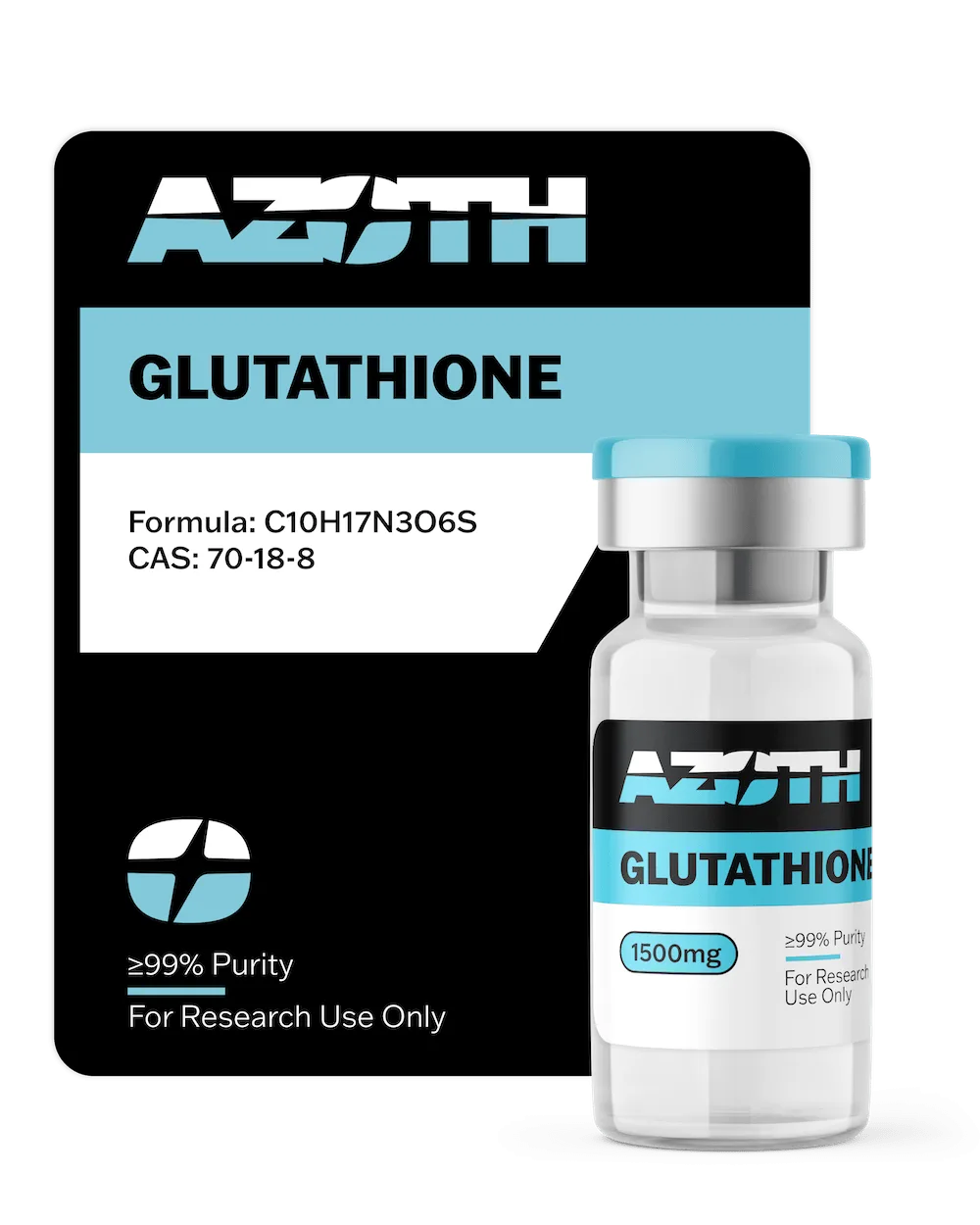
AZ-GLUT-1500
Glutathione
Pricing
In stock
Fulfillment Timing Based on Inventory and Account Status.
Glutathione
HPLC Certified
CAS #
70-18-8
M.W.
307.3
Formula
C10H17N3O6S
- PURITY
- ≥99%
RUO
- (Research Use Only)
Specs:
- Amount: 1500mg | Format: Lyophilized Powder | Container: 10mL Vial | Storage: 2-8°C | Type: Single Peptide / Tripeptide Compound | Research Alias: GSH | Research Category: Redox Pathway Research
Glutathione | Tripeptide Research Material | AZOTH
What Is Glutathione?
Glutathione is a naturally occurring tripeptide composed of three amino acid residues: glutamic acid, cysteine, and glycine. It has a defined molecular structure and is widely utilized as a reference material in biochemical, analytical, and laboratory research.
As a small peptide-based molecule, glutathione may be evaluated using established analytical techniques for identity confirmation, purity assessment, molecular characterization, stability testing, and comparative biochemical research.
AZOTH supplies Glutathione as a research material produced to defined analytical specifications. Each batch is independently tested and supported by Certificate of Analysis documentation.
Research Use Only. Not for Human or Veterinary Use.
Glutathione Research Material Overview
Glutathione is a structurally defined tripeptide suitable for controlled laboratory studies involving peptide characterization, analytical method development, physicochemical evaluation, and quality-control research.
Its molecular composition and analytical properties allow researchers to evaluate the material using techniques such as high-performance liquid chromatography, mass spectrometry, and other validated laboratory methods.
Potential areas of laboratory investigation may include:
- Molecular identity verification
- Purity and impurity profiling
- High-performance liquid chromatography (HPLC) analysis
- Mass spectrometry and molecular characterization
- Physicochemical characterization
- Stability and degradation studies
- Comparative biochemical analysis
- Analytical method development
- Reference-standard and quality-control research
Experimental conditions and analytical methodology should be determined by qualified researchers according to validated laboratory procedures and study objectives.
Glutathione Quality Standards
- 99%+ purity specification
- Verified by HPLC or applicable analytical methodology
- Third-party tested for identity and purity
- Batch-specific Certificate of Analysis available
- Lot-level analytical documentation
- Manufactured in the United States
- Intended exclusively for laboratory research
Batch-specific analytical results should be referenced through the applicable Certificate of Analysis and supporting quality-control documentation.
Research Use Only. Not for Human or Veterinary Use.
Glutathione Research Applications
Glutathione is supplied as a tripeptide research material for controlled laboratory and analytical investigation. Its defined molecular structure and biochemical characteristics make it suitable for a range of non-clinical research applications focused on material characterization, analytical methodology, and quality assessment.
Molecular Identity and Characterization
Glutathione may be used in laboratory studies focused on confirming molecular identity, composition, and structural characteristics using validated analytical methods.
Applicable techniques may include mass spectrometry, chromatographic analysis, and other established methods for small-peptide and biochemical characterization.
Purity and Impurity Profiling
The material may be used in analytical studies evaluating purity, related substances, degradation products, and batch-specific quality characteristics.
High-performance liquid chromatography (HPLC) and complementary analytical techniques may be used to assess material composition and consistency.
Physicochemical Characterization
Glutathione may be evaluated under controlled laboratory conditions for physicochemical properties relevant to analytical research, including material stability, solubility behavior, and other measurable characteristics.
Stability and Degradation Research
Researchers may use Glutathione in controlled stability studies designed to evaluate material integrity under defined storage and environmental conditions.
Analytical comparison over time may be used to characterize degradation patterns and support validated laboratory protocols.
Comparative Biochemical Analysis
Glutathione may serve as a reference material in comparative laboratory studies involving tripeptide structure, purity, analytical behavior, and physicochemical characteristics.
Such studies may support method development, quality-control research, and comparative characterization across related biochemical materials.
Analytical Method Development
The material may also be used in the development, optimization, and validation of laboratory methods for identity verification, purity assessment, molecular characterization, and quality-control testing.
Batch Consistency and Quality-Control Research
Lot-specific analytical documentation may be used to compare identity, purity, and material characteristics across independently manufactured batches.
Batch-specific analytical results should be reviewed through the applicable Certificate of Analysis and supporting quality-control documentation.
Experimental conditions and analytical methodology should be determined by qualified researchers according to validated laboratory procedures and study objectives.
Research Use Only. Not for Human or Veterinary Use.
Research Summary: Analytical and Material Characterization
Glutathione is a naturally occurring tripeptide composed of glutamic acid, cysteine, and glycine. As a defined biochemical research material, it may be evaluated using established analytical methods for identity confirmation, purity assessment, physicochemical characterization, stability testing, and comparative laboratory analysis.
Research involving Glutathione supplied by AZOTH should focus on controlled laboratory investigation and analytical characterization using validated methods and qualified research procedures.
| Research Area | Analytical Approach | Research Objective |
|---|---|---|
| Molecular Identity | Mass spectrometry and related analytical methods | Confirmation of expected molecular identity and composition. |
| Purity Assessment | High-performance liquid chromatography (HPLC) | Evaluation of material purity and detection of related impurities or degradation products. |
| Physicochemical Characterization | Validated laboratory analytical methods | Evaluation of measurable material characteristics relevant to controlled research applications. |
| Stability Evaluation | Controlled storage and comparative analytical testing | Assessment of material integrity under defined laboratory conditions. |
| Degradation Analysis | Chromatographic and molecular comparison | Characterization of measurable changes in material composition over time or under defined conditions. |
| Batch Consistency | Lot-specific analytical comparison | Evaluation of identity, purity, and analytical consistency across independently manufactured batches. |
Batch-specific analytical results should be reviewed through the applicable Certificate of Analysis and supporting quality-control documentation. Experimental design, analytical methodology, and laboratory conditions should be determined by qualified researchers according to validated procedures and study objectives.
Why Researchers Choose AZOTH for Glutathione
Material identity, analytical consistency, and transparent documentation are important in controlled laboratory research. AZOTH supplies Glutathione produced to defined research-material specifications and supported by third-party analytical testing.
- 99%+ purity specification
- Verified by HPLC or applicable analytical methodology
- Manufactured in the United States
- Third-party tested for identity and purity
- Lyophilized research-material format
- Batch-specific Certificate of Analysis available
- Lot-level analytical documentation
- Intended exclusively for laboratory research
These specifications are intended to support material verification, reproducibility, and consistency across controlled laboratory studies.
Storage and Handling
Glutathione is supplied in lyophilized (freeze-dried) form. Store at 2–8°C in a cool, dry environment protected from direct light and moisture.
Laboratory handling should be performed by qualified personnel using appropriate procedures and equipment. Refer to batch-specific product documentation for applicable storage and analytical information.
Product Specifications
AZOTH Glutathione is supplied as a defined research material produced to established analytical specifications. Batch-specific identity and purity results are documented through the applicable Certificate of Analysis.
- Compound: Glutathione
- Classification: Tripeptide research material
- Composition: Glutamic acid, cysteine, and glycine
- Purity: 99%+ specification
- Format: Lyophilized material
- Origin: Manufactured in the United States
- Documentation: Batch-specific Certificate of Analysis available
Legal Disclaimer
Research Use Only. Not for Human or Veterinary Use.
Glutathione supplied by AZOTH is intended exclusively for laboratory research, analytical testing, and scientific investigation. It is not intended for human or veterinary administration, consumption, diagnostic use, therapeutic use, cosmetic use, food use, or any other clinical or personal application.
This product is not intended to diagnose, treat, cure, mitigate, or prevent any disease or medical condition.
Purchasers are responsible for ensuring that possession, handling, and research use of this material comply with all applicable laws, regulations, institutional requirements, and laboratory safety procedures.
Featured Research Compounds
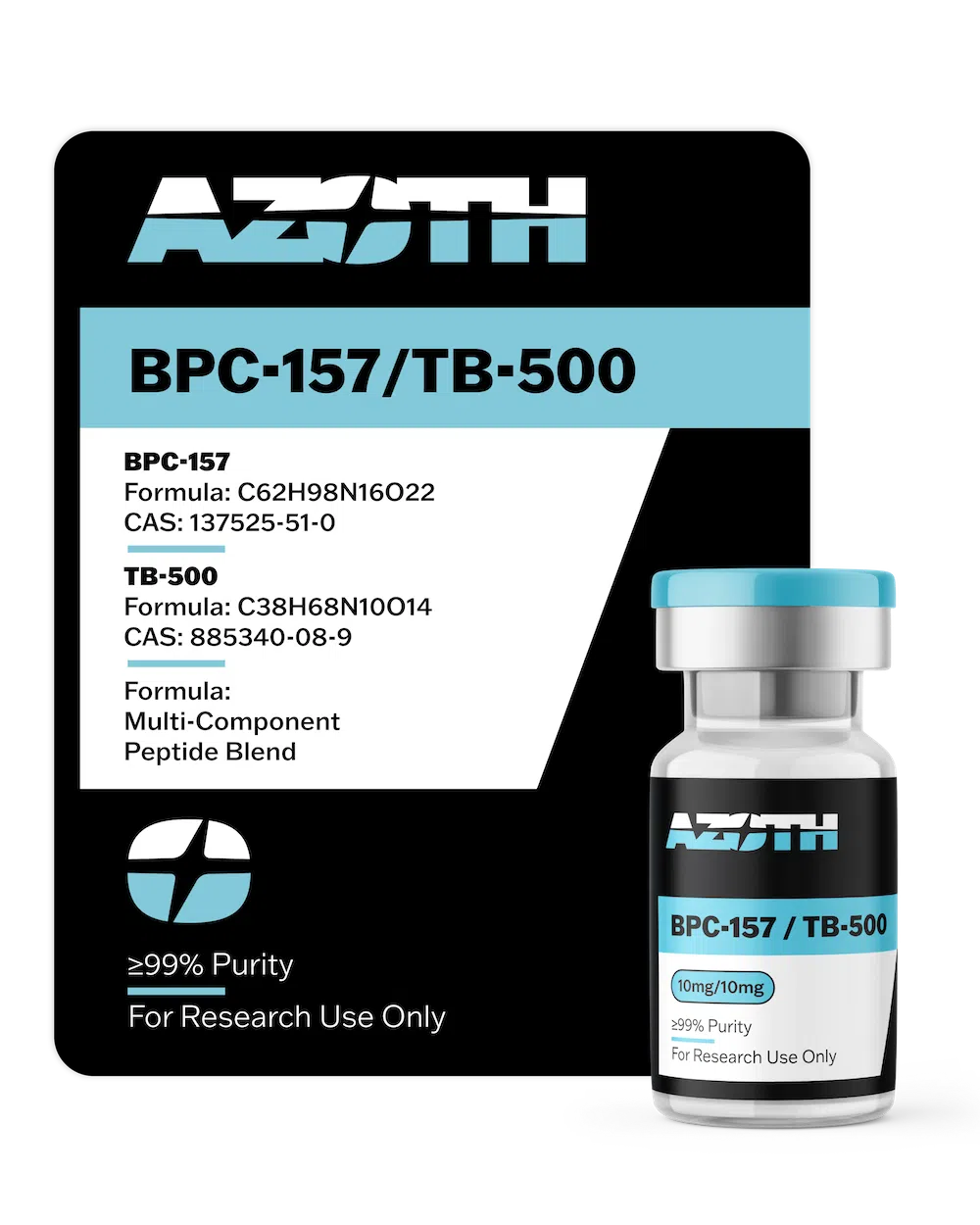

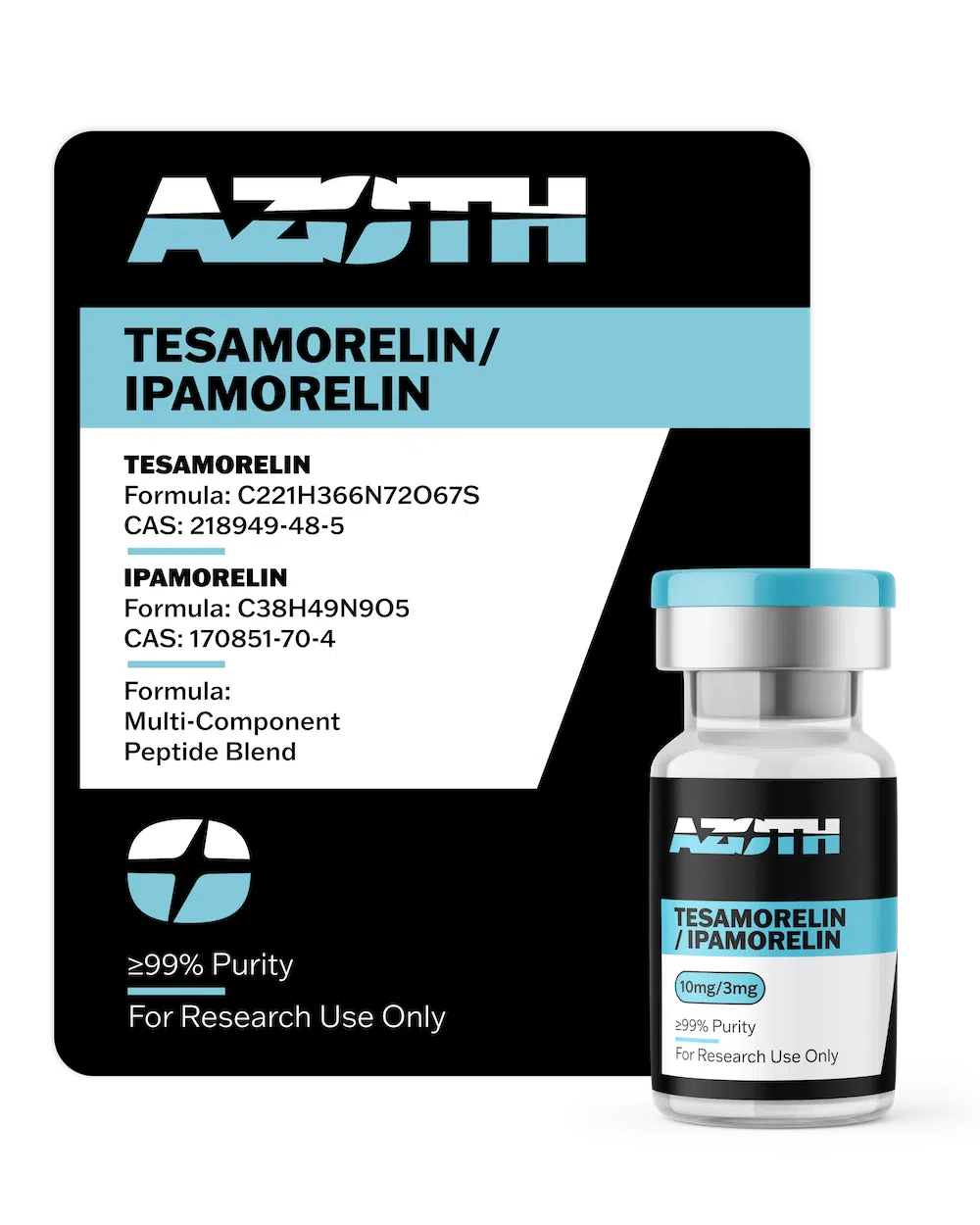

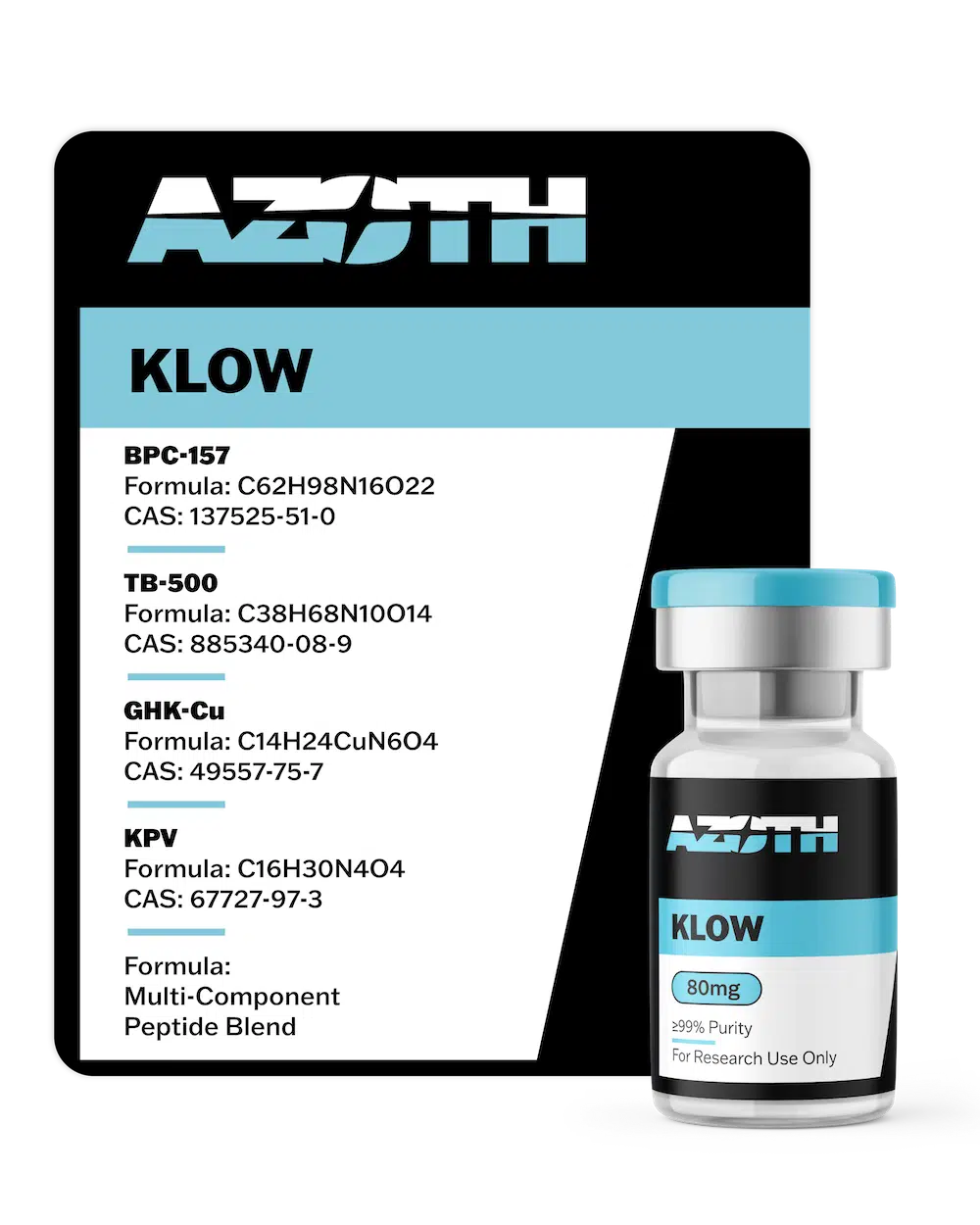
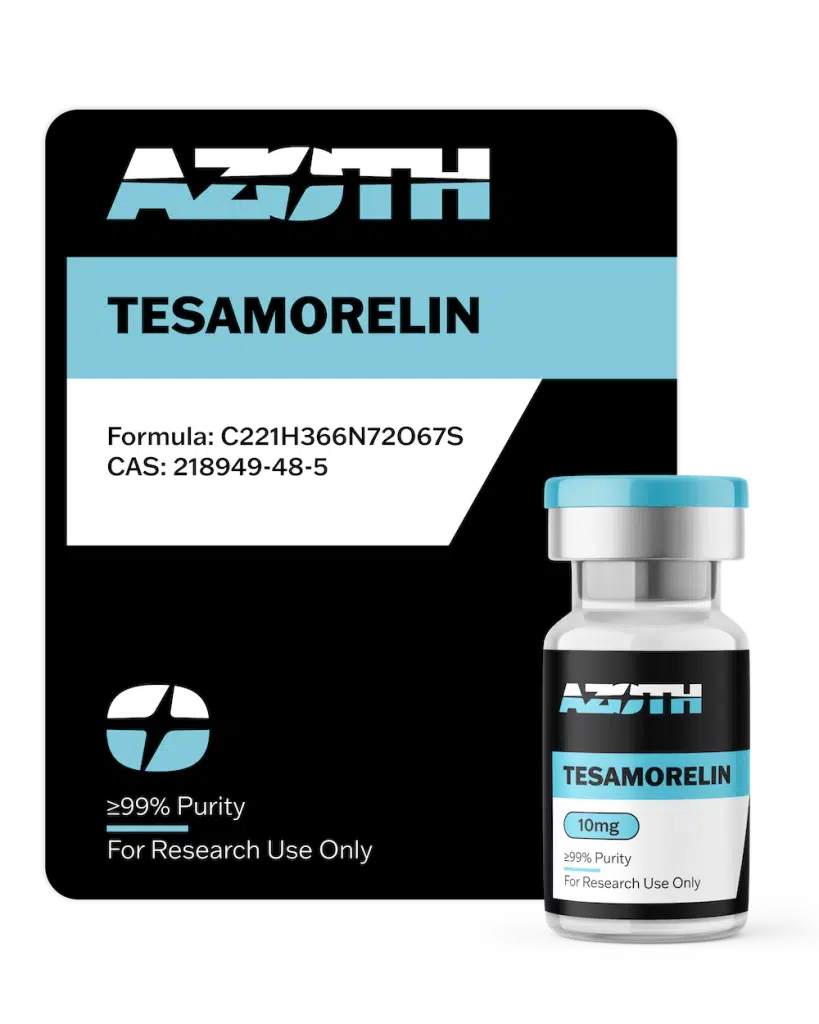
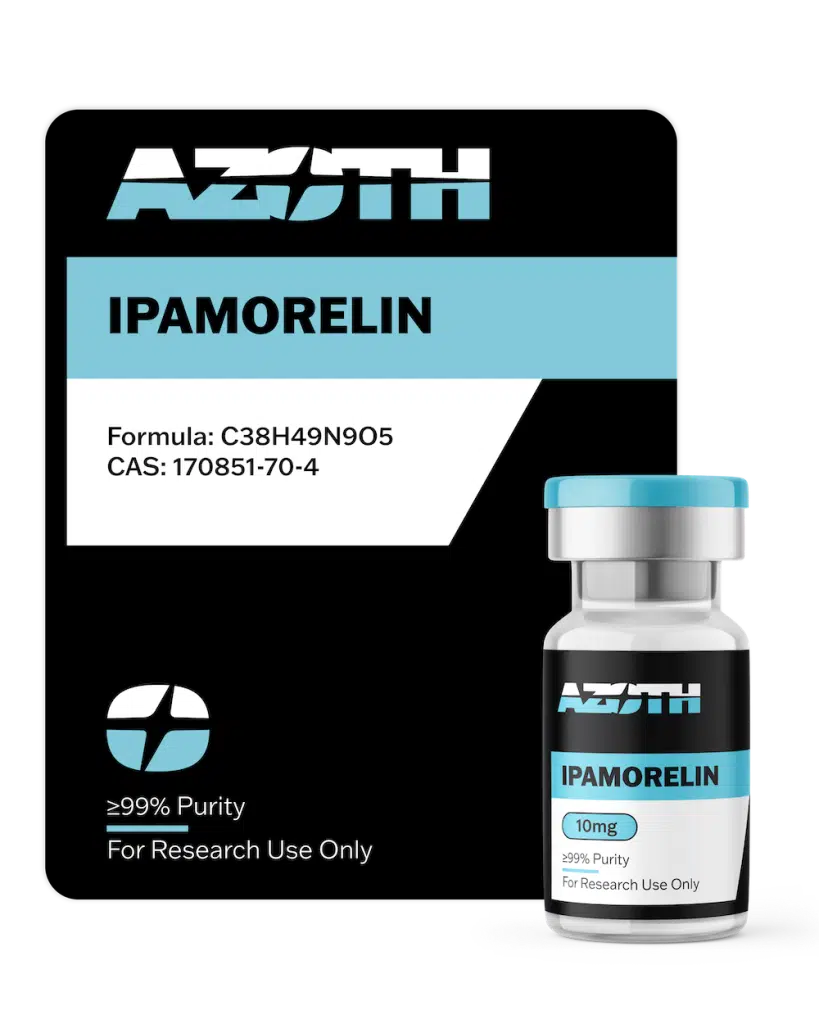
Research use only
All AZOTH products are intended solely for laboratory research, analytical, and scientific use. Products are not for human consumption, human use, veterinary use, diagnostic use, therapeutic use, or administration of any kind.